Masters doing journeyman work
Master electricians spend their day on tasks any journeyman could handle — pulling wire, running conduit, chasing material deliveries — because no one mapped code-required supervision to the actual schedule.
electrical workforce design
Jo from closes the gap between what code requires and what your crew actually does — so every tier works at full value.

the problem
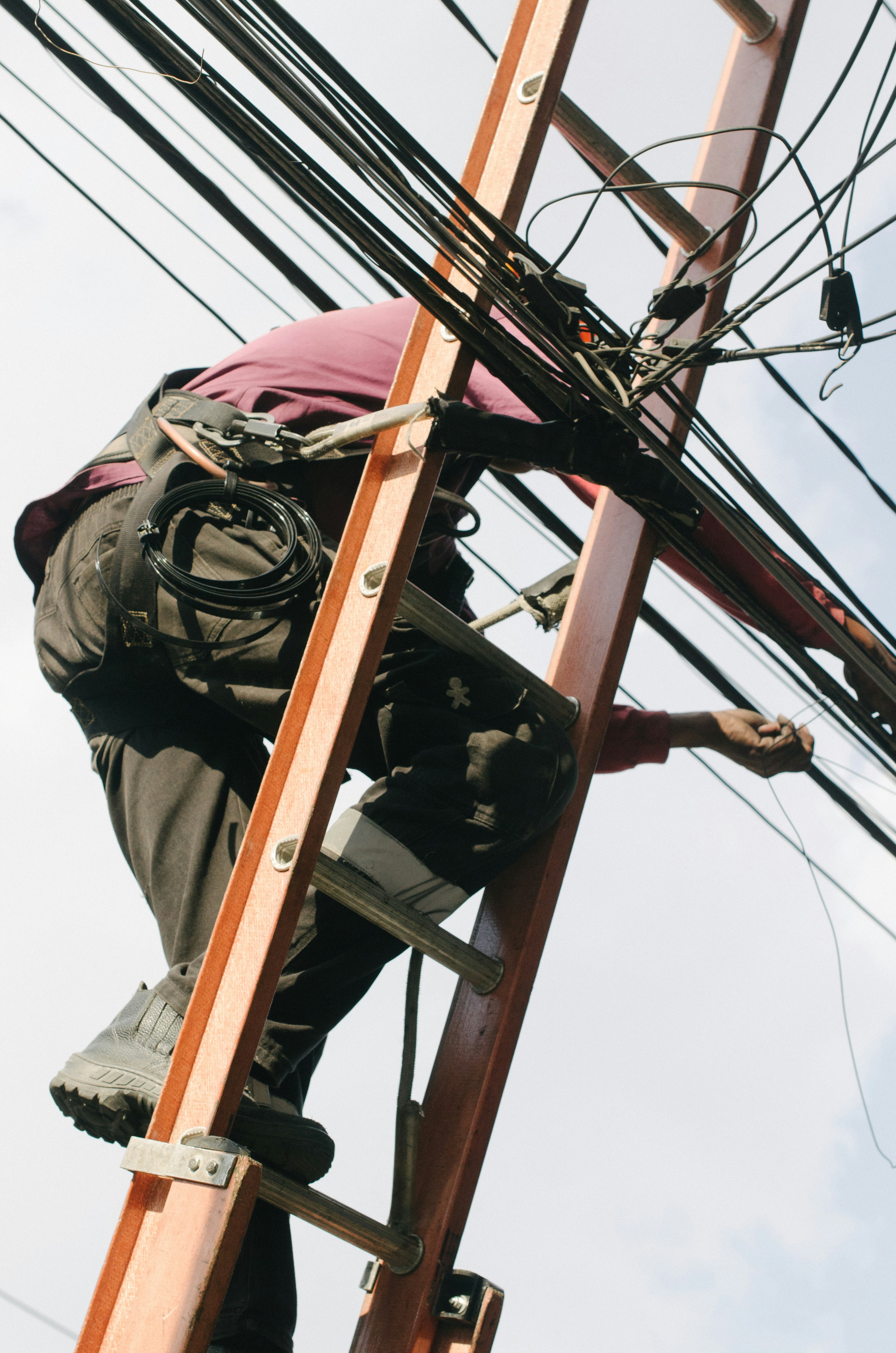
Code defines the progression. But daily task assignment ignores it. Masters spend half the day on journeyman work. Apprentices sit idle. Inspections slip because licensed capacity is stuck in coordination.
Jo from separates tasks by tier. Field judgment stays with the right credential. Permits, scheduling, and coordination move to Human + Machine support.
7,000
electricians needed per year to close the labor gap
42%
of master electrician time spent on sub-license tasks
2.5x
labor cost when license tiers are mismatched to work
18%
of inspections fail on first pass
our process
map the tier mismatch
Jo from shows where masters do sub-license work, apprentices sit idle, and journeymen absorb coordination overhead.
plan tiers to daily work
Align apprentice, journeyman, and master tasks to actual daily needs. Permits, scheduling, and inspection prep move to Human + Machine support.
launch and measure by license tier
Track utilization by tier, inspection pass rates, and margin recovery. Build the progression path that keeps apprentices through certification.
context
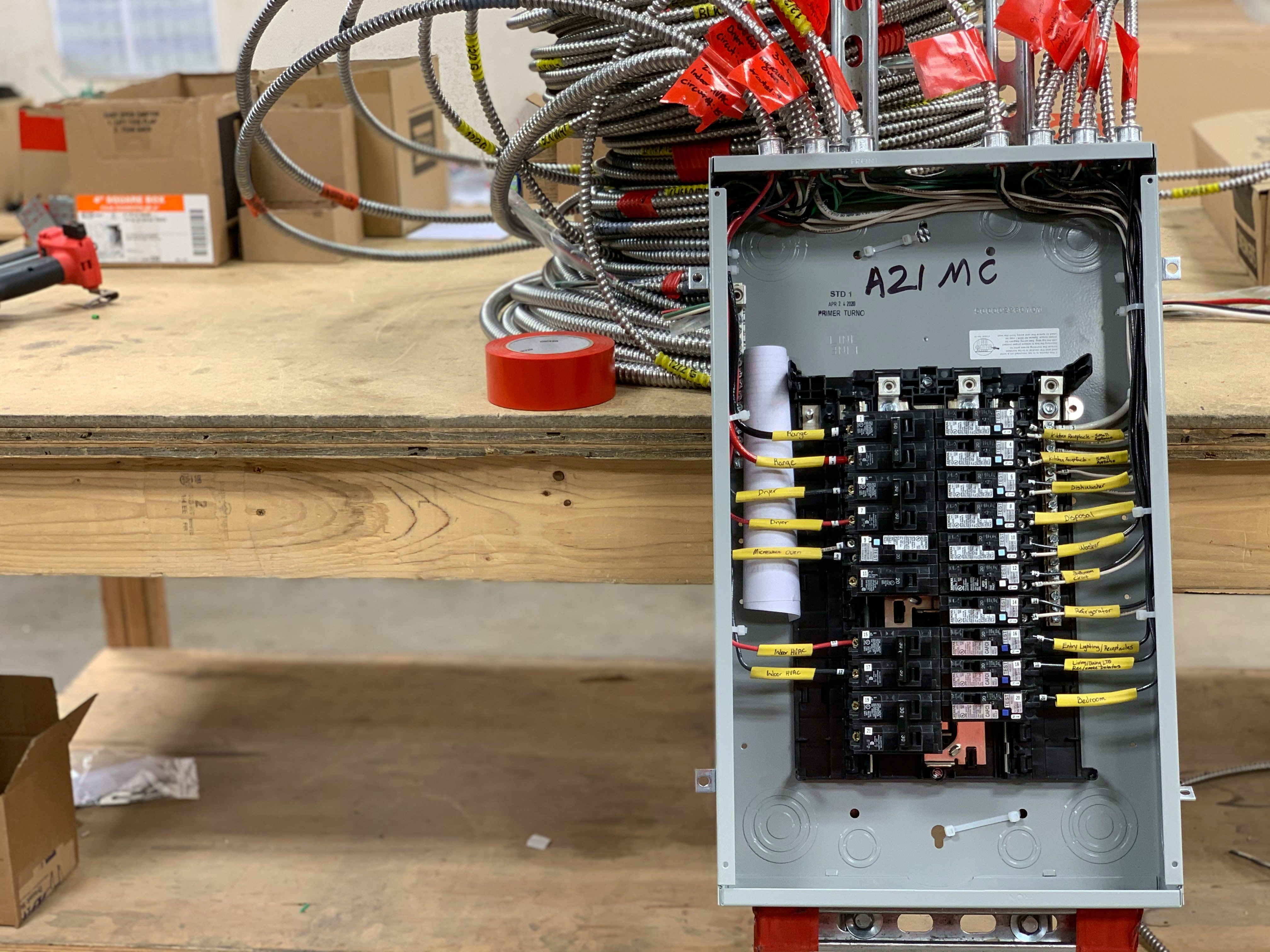
The hierarchy is clear by code. But masters absorb permits and scheduling. Journeymen pick up apprentice-level pulls. Apprentices wait for supervision that never comes.
Jo from maps every task to the right tier. Coordination and documentation move to Human + Machine support. Your licensed electricians stay on code work.
challenges
Master electricians spend their day on tasks any journeyman could handle — pulling wire, running conduit, chasing material deliveries — because no one mapped code-required supervision to the actual schedule.
Apprentices sit between supervised tasks waiting for a journeyman who is stuck doing coordination work. Billable hours drop and retention suffers when early-career electricians cannot build skills on the job.
Permit applications pile up because the master responsible for code compliance is in the field. Inspection windows get missed, rework orders stack, and project timelines slip by days that were preventable.
When task assignment ignores license tiers, work gets done by the wrong credential. Code violations surface at inspection, not at assignment, turning a scheduling problem into a compliance problem.
Panel installations require sequenced work across tiers — rough-in, wire pull, termination, inspection. Without tier-matched scheduling, crews show up out of order and panels sit half-finished for days.
Senior electricians who should be estimating and scoping new work are stuck managing the current job because no one else can sign off on code-required decisions. New revenue stalls while existing jobs drag.
proof
Move permits, inspection scheduling, and material coordination off masters and journeymen. They work at the top of their license.
see pricing →Give apprentices consistent, supervised work with Human + Machine support. Less idle time. A clear path from apprentice to journeyman to master.
try demo →resources
Where tier mismatch quietly drains margin in electrical shops.
Read →methodMap apprentice, journeyman, and master utilization against daily work.
Read →proofRecovered capacity, better inspection rates, and apprentice retention results.
Read →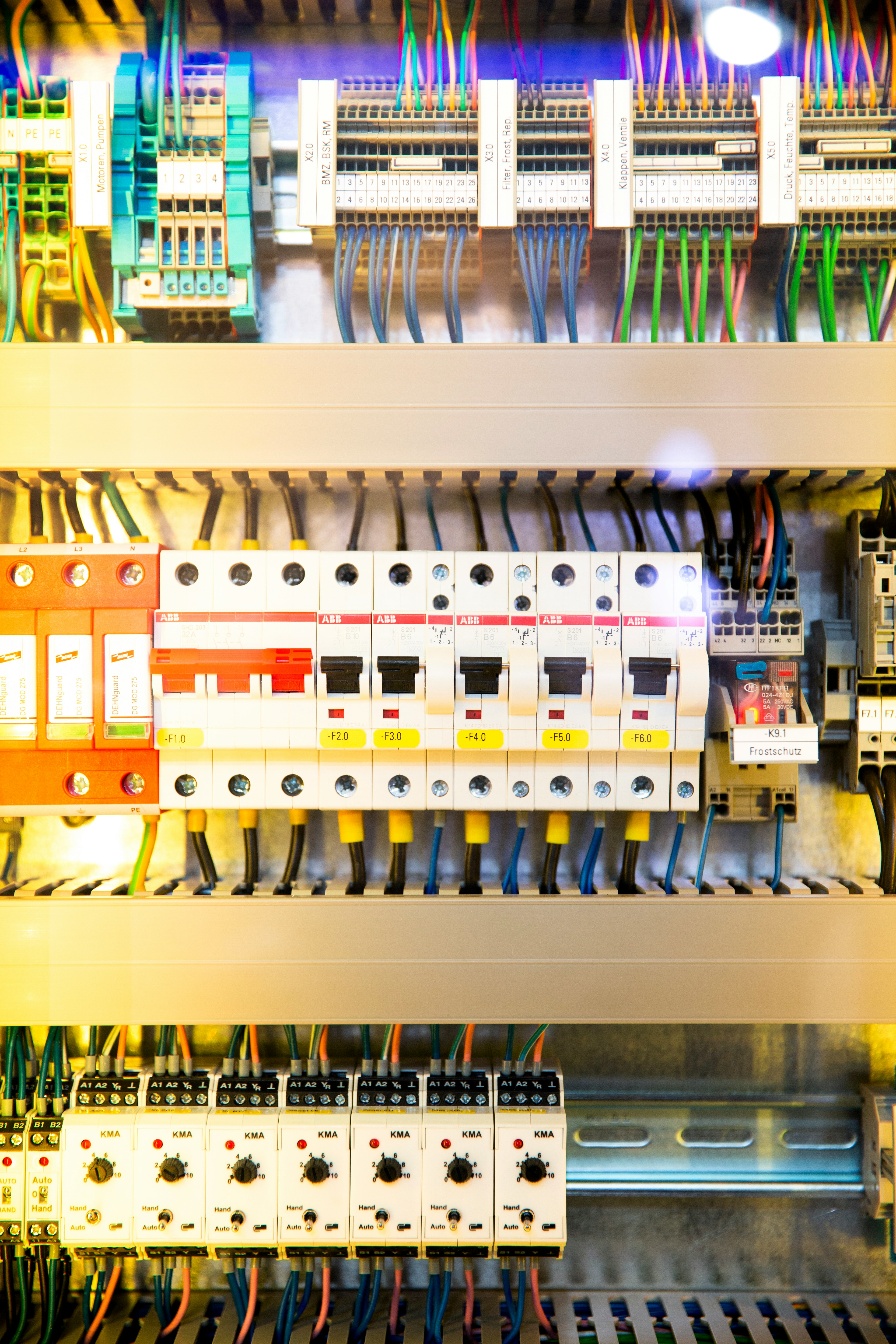
answer first
Jo from is a Human + Machine staffing company for electrical contractors. The diagnostic finds where tier-mismatched work drains capacity, then builds a structure that keeps code judgment with the right license.
They are absorbing coordination, material tracking, and supervision that doesn't need a master license. Jo from finds those tasks and moves them to Human + Machine support.
Jo from maps supervised tasks so apprentices get consistent, billable work. Less idle time. A clear path to journeyman certification.
Yes. Jo from layers on top of your current process. It moves the coordination around permits off your licensed electricians — your tools stay the same.
Utilization by tier. Inspection first-pass rate. Apprentice billable hours. Permit cycle time. Gross margin per job.
Last updated: 2026-05-20
next step
See where license-tier mismatch is costing you capacity, compliance, and margin.
© 2026 J0 from Corp. All rights reserved.
J from
from